Insights from the airport

Short reads, real insight. This is where we share informed opinions on the aviation and travel sector, highlight relevant news, and publish practical observations on passenger experience, airport operations, security, and service innovation. You will also find real world learnings and stories from the field, shaped by our day to day work at Madrid Barajas and beyond. Each entry is designed as a concise capsule, with a link to LinkedIn for those who want the expanded perspective and full context. Explore the latest posts to stay close to what is changing and why it matters.

Air rail lessons

A Moment of mourning


A deadly high-speed rail crash near Adamuz has shaken Spain’s transport community, with at least 40 lives lost and many others injured. My thoughts are with the victims, their families, and the rail teams carrying this burden. After the immediate care and support, the next step must be a neutral, multidisciplinary, fully transparent investigation that is rigorous and blame-free, with operators, infrastructure managers, authorities, manufacturers, frontline staff, and victim representatives involved from the start.  If aviation has taught us anything, it is that trust returns only when truth is pursued publicly, methodically, and without shortcuts.

Read the full article on LinkedIn →

Bright skies ahead

The skies ahead, bright, but not without turbulence


In a sector built on uncertainty, the future of aviation looks extraordinary, but only if we face it with clear eyes. Technology, smarter infrastructure, sustainability, and stronger connectivity are accelerating the comeback, yet long-term pressures like supply chain strain, talent gaps, rising costs, regulation, and geopolitical shocks won’t disappear. This is a call for realistic optimism, better preparation, and deeper collaboration across the entire ecosystem to adapt, evolve, and lead with purpose.

Read the full article on LinkedIn →

Reinventing frontline service
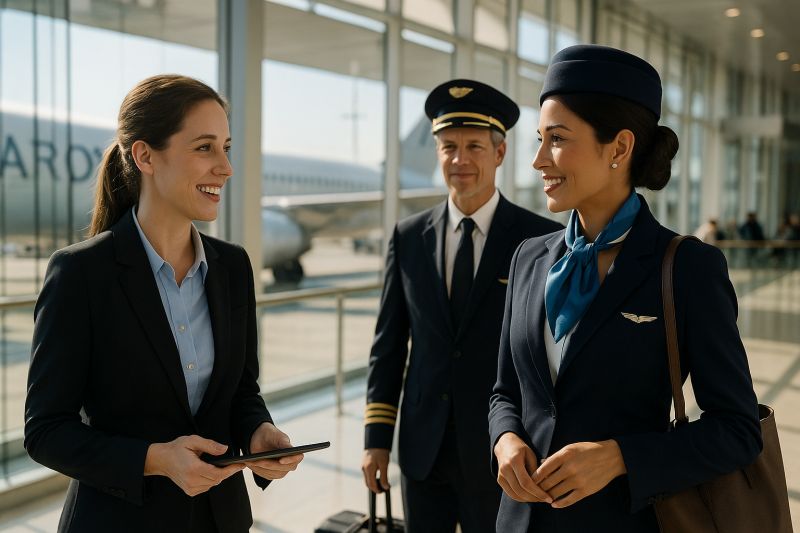
How AI is reinventing the face of airline frontline service


AI is moving from back-office support to a real-time partner for airline frontline teams, making service more predictive, calmer, and more personalized in moments that matter. By automating routine checks and surfacing timely insights, staff can focus on empathy, decisions, and problem-solving, turning gate agents and cabin crew into true experience specialists. In a world where aircraft and routes look similar, passenger experience becomes the differentiator, powered by people who are augmented by technology, not replaced by it.

Read the full article on LinkedIn →

Wings & resilience

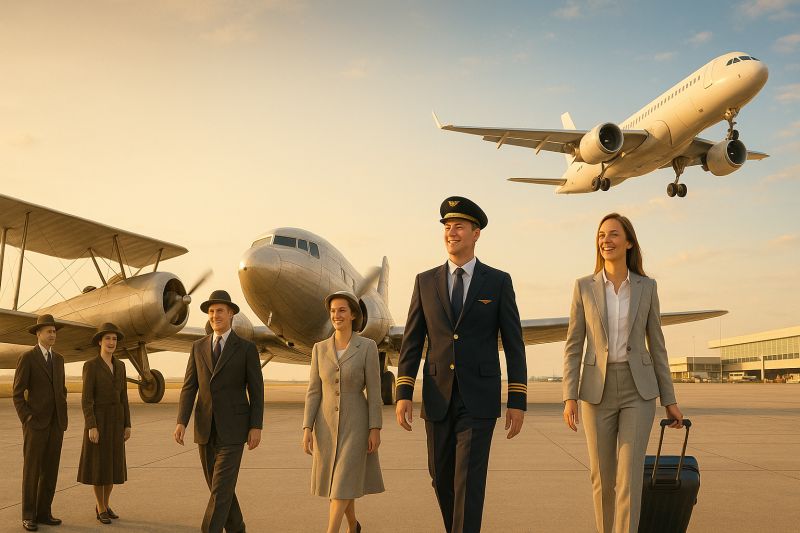
The wings may change, but the spirit flies on


From the first scheduled commercial flights to the jet age and beyond, aviation has always been a story of human ambition, connection, and the courage to keep moving through crisis. Today’s horizon, shaped by digitalization, AI, and sustainability, is simply the next chapter in that same legacy. The message is clear: don’t fear being replaced, embrace change, pass the baton with pride, and keep the industry’s defining trait alive, resilience to learn, adapt, and fly again.

Read the full article on LinkedIn →

Quiet flight magic

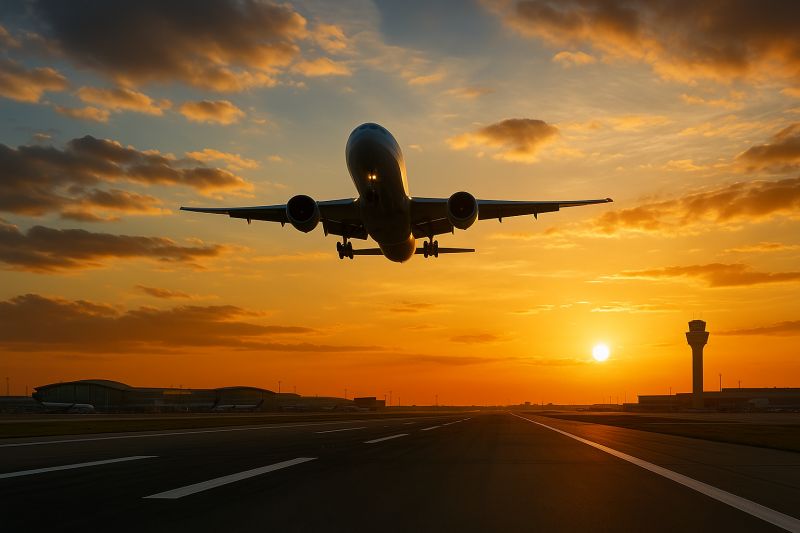
The romance of flight isn’t gone, it’s just quieter now


Flying may feel more routine and digital than it once did, but the romance hasn’t disappeared, it has simply become quieter and easier to miss. It still lives in small moments of wonder, the hush before takeoff, the calm precision of professionals, the light on a wing at dawn, and every safe landing that follows a storm. The spirit of flight remains the same, and for those who look for it, aviation is still more than transport, it’s a shared reminder that the sky belongs to all of us.

Read the full article on LinkedIn →

Human service reborn

The future of airport service It’s more human than ever


AI won’t make airport service colder, it can finally make it human again by removing the repetitive, screen-driven tasks that have turned “service” into process. With machines handling checks, rebookings, translation, and proactive support, frontline teams can focus on what passengers actually remember, empathy, clarity, and care in stressful moments. The next leap is not just operational, it’s trust, built on transparency, consent, and privacy, so technology serves people, not the other way around.

Read the full article on LinkedIn →

Mobility is a right

Mobility support is a right, not a travel hack


Passenger mobility support is being misused in some airports as a shortcut to skip queues and friction points, and that abuse quietly harms the people the service exists to protect. Every unjustified request consumes staff time and equipment, creates delays, and chips away at dignity for elderly and disabled travelers who depend on assistance to move safely. The point is not to shame anyone, it’s to defend fairness, protect access, and start an honest conversation about how to keep the system inclusive without turning it into a loophole.

Read the full article on LinkedIn →

AI operational nervous

Are we finally ready to let AI fly the plane?


AI in aviation is moving beyond pilots and prototypes into something far more structural, the operational nervous system that connects maintenance, flight planning, airport resources, and network decisions in real time. The ingredients are already here, data, tools, and use cases like predictive maintenance, dynamic trajectory optimization, and smarter resource allocation, but the real blocker is mindset, legacy systems, and fragmented governance. The winners will not be those who simply digitalize processes, but those who redesign their operating model around augmentation and faster, better decisions.

Read the full article on LinkedIn →

Airport cities

What if airports were designed like cities, and not transit hubs?


Airports are starting to look less like transit points and more like medium-sized cities, with the same complexity, density, and economic impact. If we design them as urban hubs, travelers stop being people who only pass through and become short-term residents who need comfort, productivity, and wellbeing. That shift calls for smarter operations powered by AI, richer services beyond retail and lounges, and a stronger airline airport partnership built on shared data and joint KPIs. The airport becomes part of the journey, not just the beginning or the end.

Read the full article on LinkedIn →

Human-first AI

AI in aviation: A revolution that can fail without the human factor


AI can transform aviation end to end, but without the human factor it can just as easily create friction, bias, and public failure instead of scalable value. The biggest risks come when organizations treat AI as a technical add-on while leaving culture, processes, governance, and data quality untouched, especially in a regulated, safety-critical environment. The path forward is clear: involve frontline teams, train leaders, design for real operational complexity, and embed ethics, transparency, and clear decision protocols so automation strengthens trust rather than eroding it.

Read the full article on LinkedIn →

Airport job shift

From romantic to robotic, the evolution of airport work


AI and robotics are already reshaping airport work, and the next few years will accelerate the displacement of routine, repeatable roles across check-in, boarding, baggage, security, cleaning, and planning. The real issue is not whether change is coming, but which roles transition fastest, and whether airports prepare people for it. At the same time, not everything disappears, many roles evolve and new ones emerge, from robotics technicians to data ethics and passenger empathy roles in disruption. The point is to stop treating this as a threat, and start designing a workforce that is both tech-capable and human-centered.

Read the full article on LinkedIn →

Elements for macOS application icon. Made in Elements